
Why Are There So Many Weeds in Lawns This November?
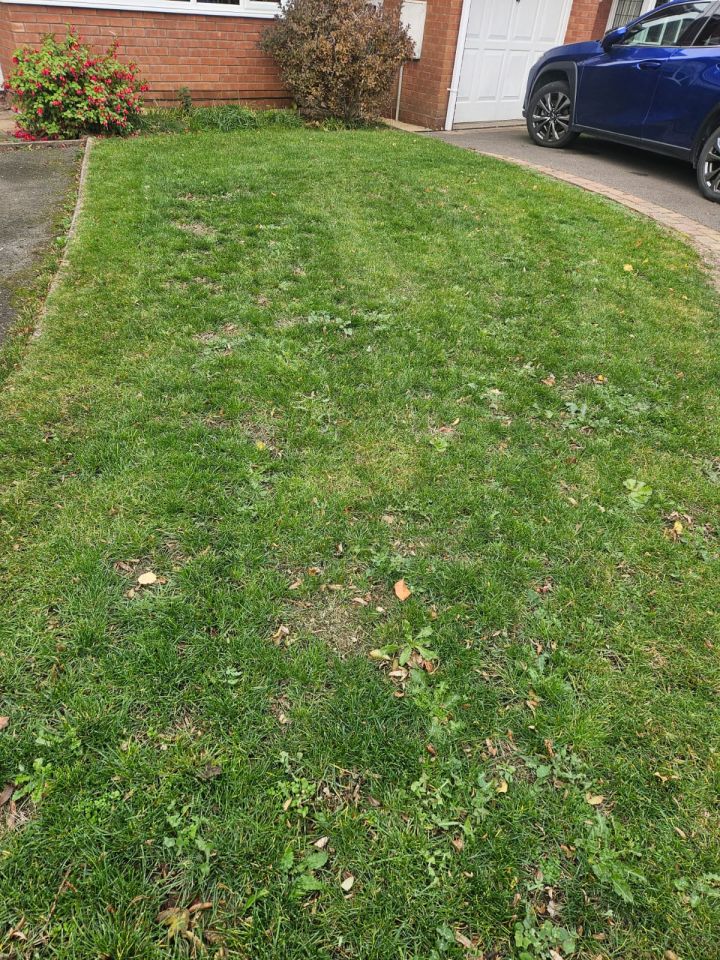
If you've noticed more weeds than usual appearing in your lawn this November, you're certainly not alone.
Across the Midlands, we're seeing unusually high numbers of weeds in lawns, including those that have benefited from professional lawn treatments throughout the year.
As lawn care professionals, this doesn't surprise us. Following one of the most challenging summers for lawns, the weather conditions throughout September and October have created an ideal opportunity for weeds to establish.
So, why is this happening, and what can you do about it?
Why Are There So Many Weeds in Lawns This Autumn?
Weeds need three things to establish successfully: suitable temperatures, moisture and space to grow.
Unfortunately, the summer of 2026 provided plenty of that space.
Prolonged dry weather left many lawns stressed, dormant and considerably thinner than usual. Where grass coverage deteriorated, bare patches and weakened areas created opportunities for weeds to establish.
Then came September and October.
With rainfall returning and temperatures remaining unusually mild, lawns experienced some of their best growing conditions of the year.
But it wasn't just the grass that benefited. Weeds took full advantage too!
A thick, healthy lawn naturally competes against weeds, limiting the space and resources available for them to establish. When that grass becomes thin or stressed, weeds find it much easier to move in.
The combination of summer drought stress followed by mild, wet autumn weather explains why we're seeing so many weeds this November.
Why Have Weeds Returned Despite Professional Lawn Treatments?
This is an important question, particularly for customers who have received lawn treatments throughout the year.
Professional selective herbicides used in our lawn care programme control susceptible weeds that are present and actively growing when treatment is applied.
They don't provide permanent protection against new weeds germinating weeks or months later.
Therefore, even if your lawn received effective weed control during the summer, new weeds can still establish when conditions become favourable.
With many lawns having received their last treatment during the summer, and the autumn bringing such favourable growing conditions, it's understandable that weeds have returned.
This doesn't mean your previous treatments haven't worked. It simply highlights why consistent lawn care and maintaining healthy, dense grass coverage are so important.
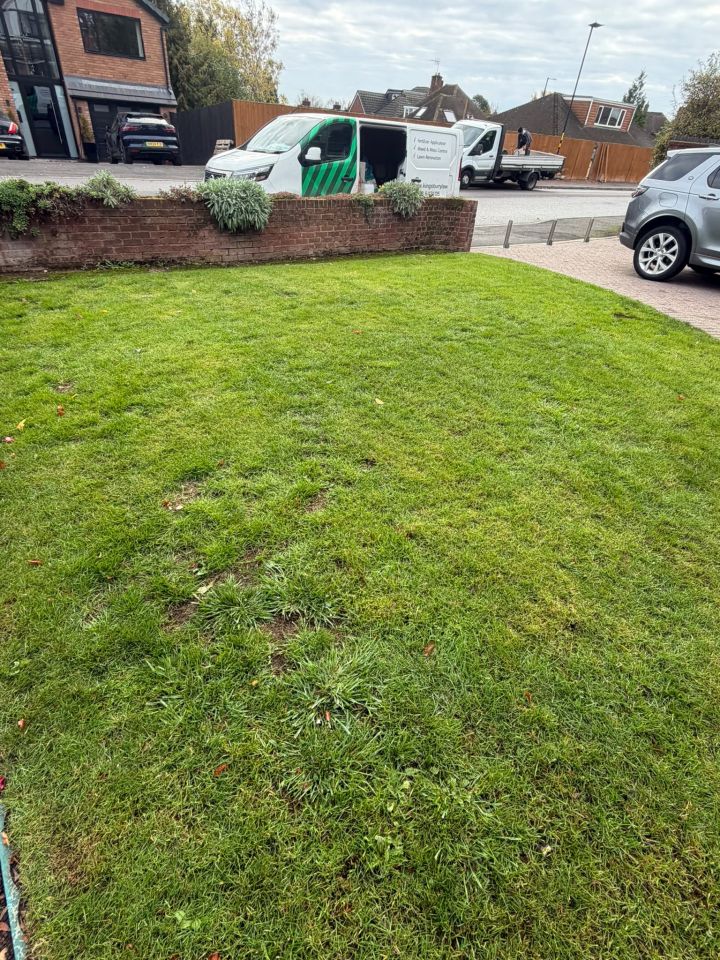
Left: a current customers lawn that has has endured the challenging summer, coming through with a few weeds and a few bare spots.
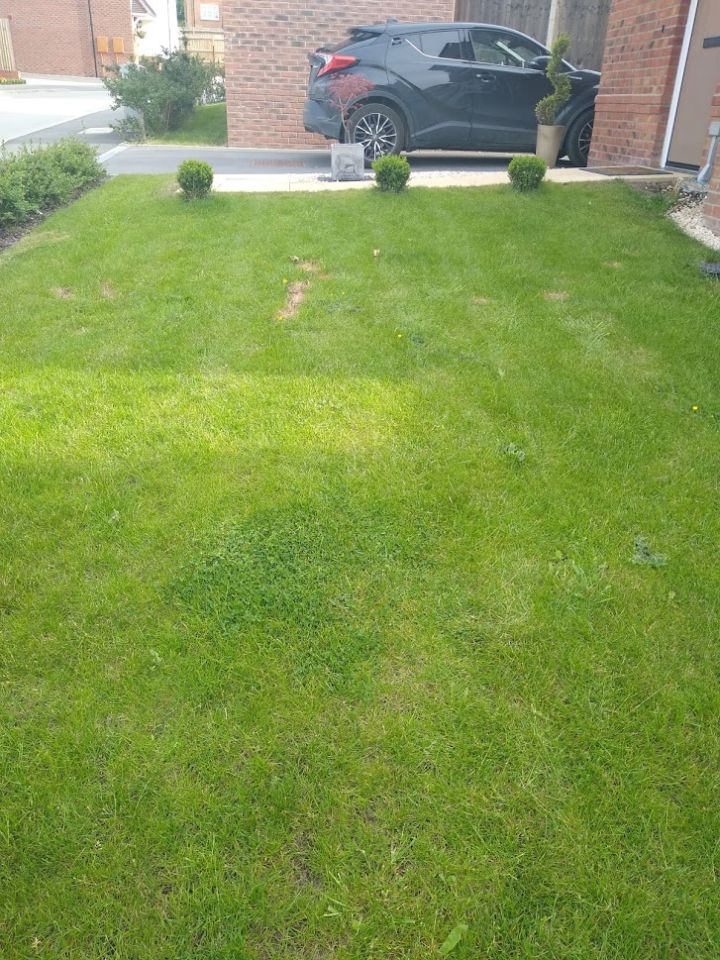
Right: a new lawn to our service in need of a weed control treatment all the more so.
Should You Still Be Mowing Your Lawn in November?
Absolutely – if your grass is still growing and it will help with weed control too!
One concern our technicians have right now is homeowners putting their lawnmowers away simply because the clocks have changed and November has arrived.
Only a couple of weeks ago, temperatures were reaching around 18°C, and soil temperatures remain in double figures today.
The grass is still growing, and so are the weeds, for now.
As we've said before, the grass doesn't know what date it is!
Regular mowing at an appropriate height, when conditions allow, helps maintain healthy grass growth and encourages a denser lawn that can compete more effectively against weeds.
Keep these simple lawn care practices going throughout November:
- Continue mowing whenever the grass is growing and ground conditions are suitable.
- Avoid cutting excessively short, particularly on weakened lawns.
- Regularly remove fallen leaves to prevent grass becoming smothered.
- Avoid unnecessary foot traffic when lawns are particularly wet.
How Can You Control Lawn Weeds in November?
There are two main approaches to tackling weeds at this time of year.
1. Remove Individual Weeds by Hand
If you have just a handful of particularly troublesome weeds, manual removal can be an effective solution.
Using a small hand trowel or weeding tool, carefully remove the weed and as much of its root system as possible, disturbing the surrounding lawn as little as you can.
This is particularly useful during colder periods when professional weed control may no longer be appropriate.
Of course, manually removing weeds isn't always practical when there are hundreds scattered across a lawn!
2. Professional Weed Control
At Kingsbury Lawn Care, we're continuing to include selective weed control within our autumn treatments on a complementary basis wherever conditions allow.
However, applying herbicides effectively becomes increasingly challenging as we move towards winter.
For successful treatment, we need:
- Weeds that are actively growing and able to absorb the herbicide.
- Suitable temperatures and weather conditions.
- An appropriate dry period following application, according to the product requirements.
We're making the most of the current mild, relatively dry conditions, but there will come a point when further selective weed control is no longer sensible.
Effective lawn care isn't about applying products at every opportunity. It's about applying the right products at the right time.
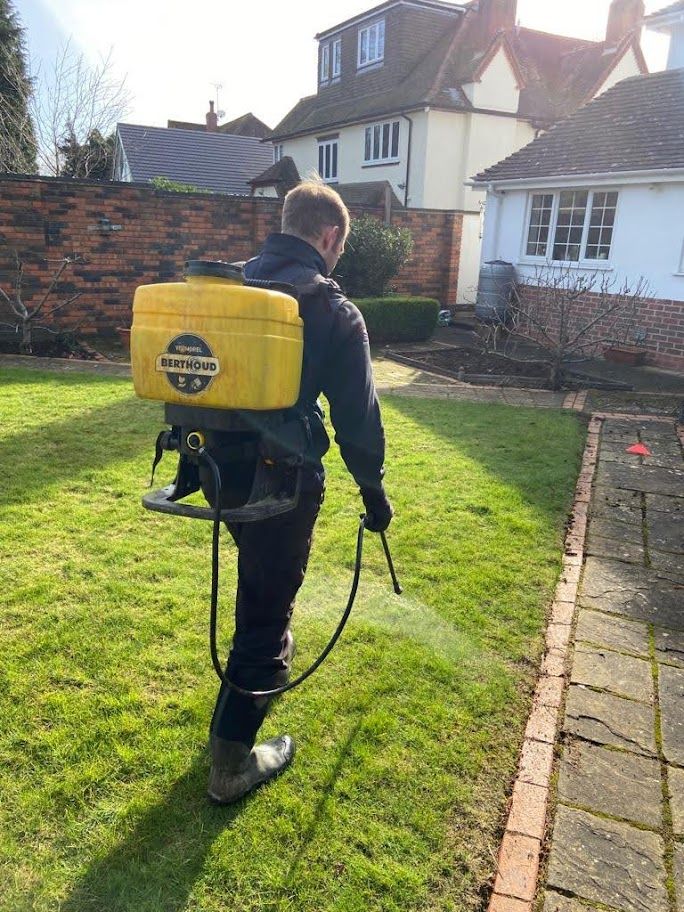
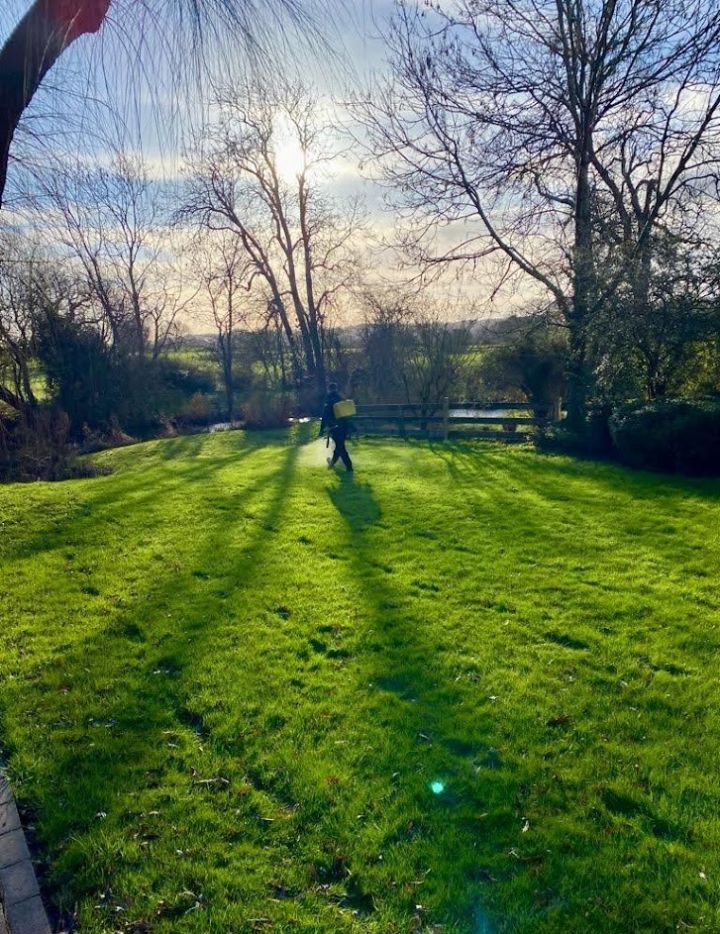
Through the November - March period, our technicians are applying liquid feeds and moss treatments to help lawns. We can also apply weed treatments in the correct conditions. Regular treatments will give your lawn it's best opportunity to recover from the rigours of this summer as quickly and effectively as possible.
What Happens If Weeds Remain in Your Lawn Over Winter?
Realistically, we expect more lawns than usual to carry weeds through this winter. Given the conditions we've experienced throughout 2026, this is something homeowners may need to accept.
The good news is that weeds remaining over winter don't mean your lawn cannot recover.
Our autumn and winter lawn treatments continue to support grass health and help manage moss, while good mowing and maintenance will encourage stronger grass coverage.
Where conditions allow, we'll continue incorporating selective weed control into our treatments.
Where they don't, we'll focus on improving the overall health of the lawn and addressing remaining weeds when suitable growing conditions return.
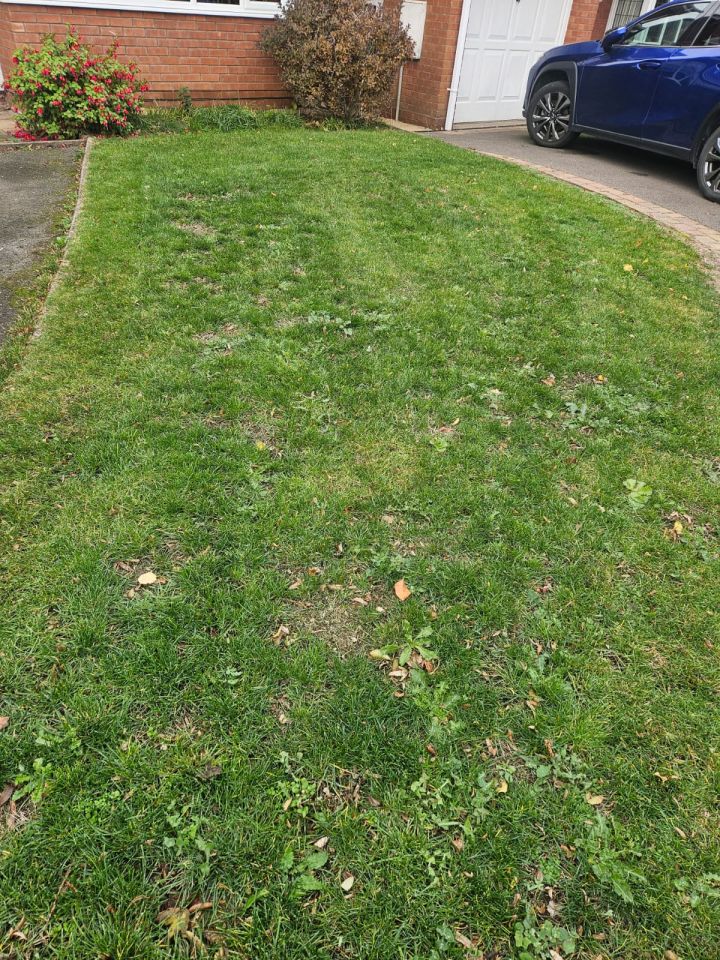
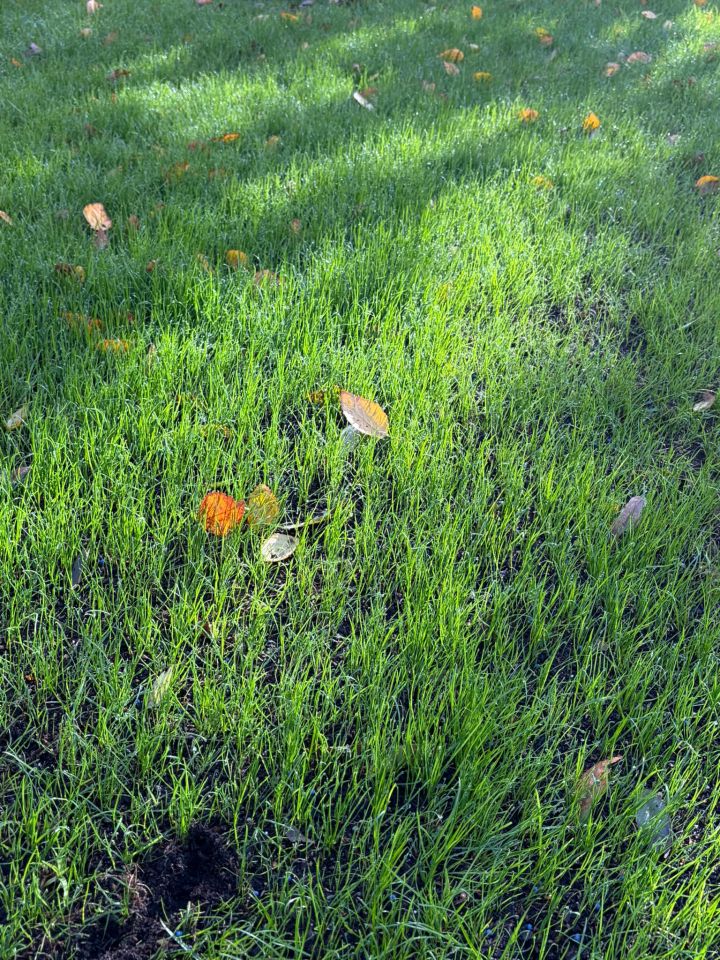
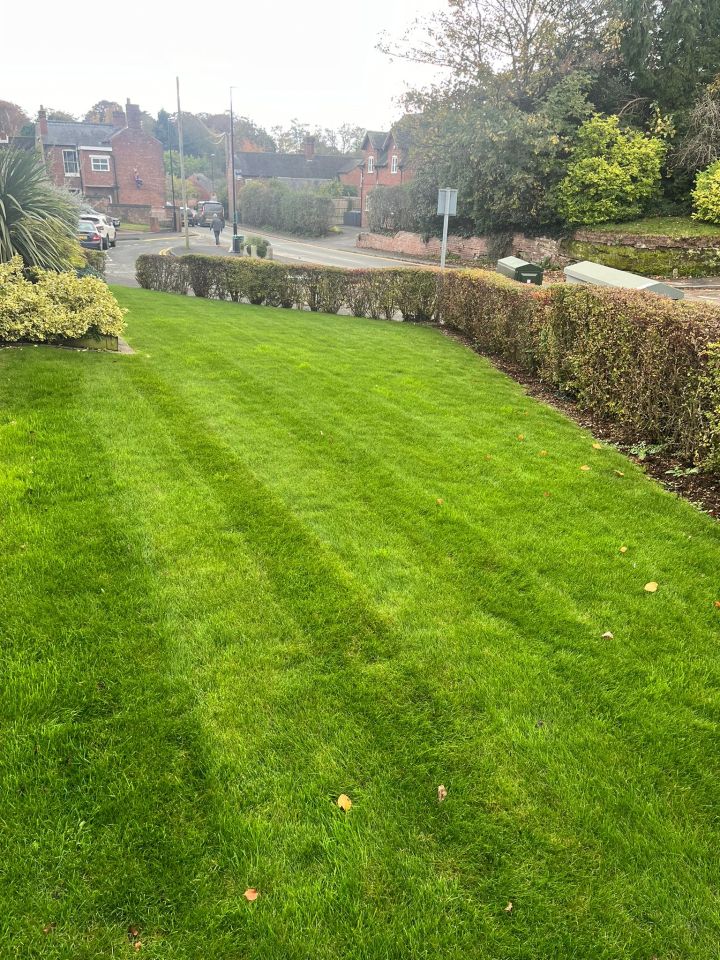
Two lawns, two very different outcomes following the summer of 2026.
The lawn on the left received regular treatments but suffered during the drought, allowing weeds to establish before its autumn visit. The lawn on the right benefited from recent scarification, aeration and overseeding, with healthy new grass now establishing.
Even well-maintained lawns have struggled this year. The right treatments, good maintenance and patience are essential for recovery.
Give Your Lawn the Best Start for 2027
If there's one lesson to take from this year, it's that a thick, healthy lawn is your best natural defence against weeds.
Professional treatments, appropriate mowing, watering during prolonged dry spells and timely lawn renovation all contribute towards stronger, more resilient grass.
Following such a challenging summer, this autumn's lawn treatments are particularly important in helping lawns recover and preparing them for next spring.
It's important to remember that weeds aren't a cause for alarm. It's equally important that we are improving grass health with all of our visits - rather than unrealistically chasing every last weed.
At Kingsbury Lawn Care, we're working hard to help lawns across Sutton Coldfield, Solihull, Tamworth and the wider West Midlands recover from this year's extreme conditions.
If your lawn is struggling with weeds, moss or thin grass coverage, our professional lawn treatment programme can help you improve its health and appearance throughout the seasons. Our lawn treatments continue across autumn and winter to help lawns recover from summer stress and prepare for the 2027 season ahead.
Discover our Lawn Treatment Programme and take the first step towards a healthier, greener lawn.
Message us via the WhatsApp icon, or click below to gain an Instant Estimate to your inbox for our Lawn Treatment Programme.